The standard tub-shower combo that dominated American bathrooms for decades is rapidly becoming a thing of the past. According to Houzz's 2025 Bathroom Trends Study, 57% of homeowners who renovated their primary bathroom replaced a tub with a walk-in shower — up from 43% just five years earlier. The reasons are practical: walk-in showers are easier to clean, more accessible, and feel significantly more spacious. But the design possibilities are what make them truly exciting. From frameless glass panels that blur the line between shower and room to integrated steam systems and heated floors, the modern walk-in shower has evolved into the centerpiece of bathroom design.
Key Takeaways
- Walk-in showers have surpassed tub-shower combos as the most requested bathroom feature, with 57% of renovating homeowners making the switch.
- Frameless glass enclosures, large-format tiles, and rain showerheads are the three most popular design elements in new walk-in shower installations.
- A well-designed walk-in shower costs $3,500–$15,000+ depending on size, materials, and features, with a strong return on investment at resale.
- Proper waterproofing and drainage planning are critical — cutting corners here leads to the most expensive failures in bathroom remodeling.
Why Walk-In Showers Dominate in 2026
Several forces are converging to make walk-in showers the default choice for bathroom renovations. The aging-in-place movement is a major driver: the National Association of Home Builders reports that curbless or low-threshold showers are now the number-one requested accessibility feature among homeowners over 50. But the appeal extends far beyond accessibility. Younger homeowners are drawn to the clean, open aesthetic and the practical advantages of a shower-only bathroom.
Real estate data supports the trend. According to Zillow Research, homes with walk-in showers sell for an average of 2.6% more than similar homes without them. In a $400,000 home, that translates to approximately $10,400 in additional value — often exceeding the cost of the installation itself. Walk-in showers also photograph well for listings, creating a perception of space and luxury that standard tub-shower combos simply cannot match.
The market reflects this shift. The National Kitchen & Bath Association (NKBA) reports that walk-in shower installations have grown 12% year over year since 2022, while tub installations have declined by 8% over the same period. The exception is freestanding tubs, which remain popular as a secondary luxury feature in larger primary bathrooms, but even these are typically paired with a separate walk-in shower.
Trend #1: Frameless Glass Enclosures
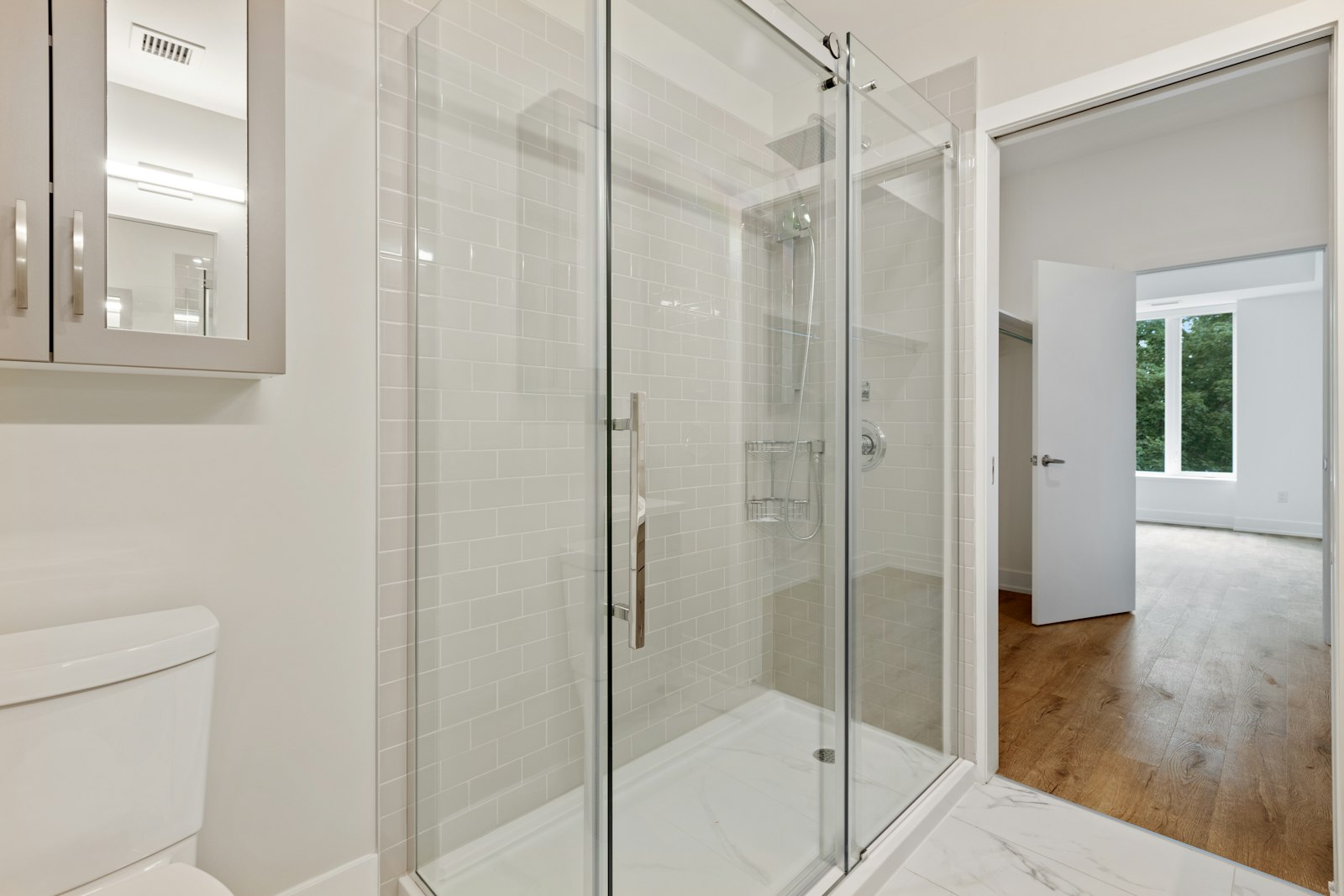
The most transformative trend in walk-in shower design is the move toward frameless glass. Unlike traditional framed shower doors with aluminum tracks, frameless enclosures use thick tempered glass panels (typically 3/8" to 1/2") held in place by minimal hardware. The result is a clean, open look that makes the shower feel like a seamless extension of the bathroom rather than a separate compartment.
Frameless glass panels typically cost $900–$2,500 for a standard enclosure, compared to $300–$800 for framed alternatives, according to HomeAdvisor. The premium buys you more than aesthetics: frameless enclosures have fewer crevices where mold and soap scum accumulate, making them significantly easier to keep clean. Many homeowners opt for glass treatments like EnduroShield or Diamon-Fusion, which create a hydrophobic coating that repels water spots and reduces cleaning frequency.
“Frameless glass is the single upgrade that has the biggest visual impact in a bathroom. It instantly makes the space feel twice as large. My advice is to invest in thicker glass — at least 3/8 inch — because the added weight and rigidity gives it a much more luxurious feel than the thinner panels some budget installers use.”
— Angela Rivera, ASID Certified Interior Designer, Rivera Design Studio
For homeowners who want the openness of frameless glass but prefer a more minimal approach, the fixed-panel "wet room" style is gaining ground. This design uses a single pane of glass as a splash guard without any door, relying on the shower's size and floor slope to contain water. It creates the most open, spa-like feel but requires a minimum shower area of about 36" x 48" and meticulous waterproofing of the surrounding floor area.
Considering a Walk-In Shower?
Get free design consultations and quotes from bathroom remodelers who specialize in walk-in shower installations in your area.
Get Free EstimatesTrend #2: Large-Format Porcelain Tiles
Gone are the days of small mosaic tiles covering every surface of the shower. The dominant trend is large-format porcelain tiles — slabs measuring 24"x48" or even 48"x96" — that dramatically reduce grout lines. According to the Tile Council of North America, large-format tile sales have increased 28% since 2023, driven almost entirely by bathroom shower applications.
The benefits are substantial. Fewer grout lines mean less maintenance, less mold growth, and a cleaner visual appearance. Modern porcelain can convincingly replicate the look of natural marble, travertine, concrete, or even wood at a fraction of the cost and with virtually zero maintenance requirements. A porcelain slab that looks identical to Calacatta marble costs $8–$15 per square foot, compared to $40–$100 per square foot for the real thing.
Installation does require a skilled tile setter, as large-format tiles demand a perfectly flat substrate and careful handling. Expect to pay a premium of 15–25% on labor compared to standard tile installation, but the reduced long-term grout maintenance more than compensates for the upfront cost difference.
Trend #3: Rain Showerheads and Body Jets
The standard wall-mounted showerhead is being replaced — or at minimum supplemented — by overhead rain showerheads that deliver a wide, gentle cascade of water. The Houzz survey found that 47% of renovating homeowners installed a rain showerhead, making it the most popular shower fixture upgrade.
Ceiling-mounted rain showerheads range from $150 for a quality 10" model to $800 or more for 16"+ models with LED lighting or thermostatic controls. Installation requires running water supply lines through the ceiling, which adds $300–$800 in plumbing costs if the lines are not already in place.
Body jets are the next tier of shower luxury. Installed in the wall at multiple heights, they provide horizontal water streams that create a spa-like hydrotherapy experience. A set of four to six body jets typically costs $400–$1,200 for the fixtures plus $500–$1,500 for installation. They do require a larger-capacity water heater and higher water pressure to function properly, which is an important consideration during the planning stage.
Trend #4: Built-In Niches and Shower Benches
Built-in shower niches have replaced the hanging shower caddy as the preferred storage solution. These recessed alcoves are framed into the shower wall during construction, tiled to match the surrounding surface, and provide clean, permanent storage for shampoo, soap, and other shower essentials. A standard single niche costs $150–$400 to build and tile during a remodel.
Shower benches have evolved from basic accessibility features into design statements. Floating stone or solid-surface benches cantilevered from the wall create a sleek, modern look that also serves as practical seating. Teak wood fold-down benches offer a warm, spa-like accent that works in both contemporary and transitional designs. Built-in benches typically add $300–$1,500 to a shower project depending on material and complexity.
Design Your Dream Walk-In Shower
Connect with experienced bathroom designers and contractors who can bring these trends to life in your home. Free quotes, no obligation.
Compare Quotes NowTrend #5: Heated Floors and Towel Warmers
Radiant floor heating beneath shower and bathroom tile has moved from luxury add-on to mainstream expectation. Electric radiant heat mats cost $8–$15 per square foot for materials and $3–$5 per square foot for installation, making them surprisingly affordable for the comfort they provide. In a typical 50-square-foot bathroom, that is $550–$1,000 total for a feature that eliminates cold-floor shock every morning.
Operating costs are modest: running a bathroom radiant heat system for 8 hours per day during the heating season costs approximately $0.20–$0.50 per day in electricity, depending on your local utility rates. Many systems pair with a programmable thermostat that heats the floor only during your typical use times.
Heated towel racks are the natural complement. Wall-mounted electric models range from $150 to $600 and plug into a standard outlet or can be hardwired during a remodel. Having a warm, dry towel waiting when you step out of the shower is a small luxury that consistently ranks among the highest-satisfaction bathroom upgrades in homeowner surveys.
Planning Your Walk-In Shower: What to Get Right
Before committing to a design, there are several critical planning considerations that will determine whether your walk-in shower performs as well as it looks:
Size and clearance. The NKBA recommends a minimum shower size of 36"x36", but 48"x36" or larger is far more comfortable and allows for features like benches and multiple showerheads. Curbless designs require even more space to manage water containment through floor slope alone.
Drainage. Linear drains (also called trench drains or channel drains) have replaced traditional center drains as the preferred option for walk-in showers. They allow the entire floor to slope in one direction, simplify waterproofing, and accommodate large-format tiles that would crack if forced into a multi-slope configuration. Linear drains cost $200–$600 for the drain body and are typically installed along one wall.
Waterproofing. This is the most critical and most commonly botched element of walk-in shower construction. Modern best practice uses a bonded waterproof membrane system like Schluter KERDI or Laticrete Hydro Ban applied directly to the substrate before tiling. Every seam, corner, and penetration must be sealed. Failures here lead to leaks that can cause thousands of dollars in structural damage. Always confirm that your contractor uses a system-based waterproofing approach, not just paint-on products.
ADA and aging-in-place considerations. Even if you do not currently need accessibility features, incorporating them during construction is far cheaper than retrofitting later. A curbless threshold, blocking in the walls for future grab bars, a handheld showerhead on a slide bar, and a bench all add modest cost during a new build and can make a dramatic difference in safety and usability as you age.
Make Your Walk-In Shower a Reality
From design to installation, licensed bathroom specialists can help you plan every detail. Get your free, personalized quotes today.
Get Your Free QuotesThe Bottom Line
Walk-in showers have earned their place as the most sought-after bathroom feature in 2026, and the trend shows no signs of slowing down. Whether you are drawn to the clean minimalism of frameless glass, the luxury of a rain showerhead with body jets, or the practical warmth of heated floors, there is a walk-in shower configuration that fits nearly every budget and bathroom size.
The key to a successful project is investing in what matters most: proper waterproofing, quality drainage, and a skilled installer who understands the technical requirements behind the beautiful finishes. Get these fundamentals right, and your walk-in shower will be a source of daily satisfaction and lasting value for decades to come.
Sources
- Houzz, "2025 U.S. Bathroom Trends Study," Houzz Research.
- National Kitchen & Bath Association (NKBA), "2025 Design Trends Report" and "NKBA Planning Guidelines."
- Tile Council of North America (TCNA), "2025 Market Report and Industry Forecast."
- Zillow Research, "Home Features That Sell: Walk-In Showers and Resale Value," 2024 Analysis.