Countertops are the most visible and most-touched surface in your kitchen. They set the aesthetic tone, take daily abuse from knives and hot pans, and are one of the first things potential buyers notice during a showing. According to the National Kitchen & Bath Association, countertop selection is the number-one design decision homeowners agonize over during a kitchen remodel — and for good reason. The material you choose will affect your budget by thousands of dollars, dictate your maintenance routine for decades, and influence your home's resale value. This guide breaks down the three most popular options — quartz, granite, and marble — across every factor that matters.
Key Takeaways
- Quartz is the best all-around performer: non-porous, virtually maintenance-free, and available in a huge range of colors and patterns at $50–$120 per square foot installed.
- Granite offers natural beauty and excellent heat resistance at $40–$100 per square foot installed but requires annual sealing to prevent staining.
- Marble delivers unmatched elegance but demands the most maintenance, stains easily, and costs $75–$200+ per square foot installed for premium varieties.
- For maximum resale value, Consumer Reports and real estate data consistently rank quartz and granite as the strongest choices for kitchen countertops.
Why Your Countertop Choice Matters More Than You Think
Countertops typically account for 10–15% of a total kitchen remodel budget, but their impact on the finished look is far greater than that percentage suggests. They occupy the largest continuous horizontal surface in the room, serve as the primary work surface, and are one of the few kitchen elements that guests and buyers actually touch and interact with during a visit.
Zillow Research found that listings mentioning quartz countertops sold for 1.3% above expected price, and granite also commanded a measurable premium. Meanwhile, listings that highlighted laminate countertops showed no price premium and sometimes a slight discount. The material you choose sends a signal about the quality of the entire kitchen — fairly or not, countertops are used as a proxy for overall renovation quality.
The average kitchen has 30–50 square feet of countertop surface. At installed prices ranging from $40 per square foot for entry-level granite to $200+ for premium marble, the total cost can range from $1,200 to $10,000 or more for materials and installation alone. Understanding the strengths and limitations of each material is essential to making a choice you will be happy with for years.
The Head-to-Head Comparison
Here is how quartz, granite, and marble stack up across the six criteria that matter most to homeowners, based on data from Consumer Reports, HomeAdvisor, and the Marble Institute of America:
| Criteria | Quartz | Granite | Marble |
|---|---|---|---|
| Cost per Sq Ft (Installed) | $50–$120 | $40–$100 | $75–$200+ |
| Durability | Excellent — scratch and chip resistant | Very Good — hard but can chip at edges | Fair — softer stone, scratches and chips more easily |
| Maintenance | None — non-porous, no sealing needed | Moderate — annual sealing recommended | High — regular sealing, immediate spill cleanup |
| Heat Resistance | Moderate — can discolor from extreme heat | Excellent — highly heat resistant | Good — heat resistant but can scorch |
| Appearance | Consistent patterns, wide color range | Unique natural patterns, earth tones | Classic veining, unmatched elegance |
| Resale Value | Excellent — top buyer preference | Very Good — strong buyer appeal | Good — luxury appeal but niche market |
Deep Dive: Quartz
Quartz countertops are engineered stone, made from approximately 90–94% ground natural quartz crystals bound with polymer resins and pigments. This engineered composition is what gives quartz its key advantage: it is non-porous. Unlike natural stone, quartz does not absorb liquids, which means it does not need sealing, does not harbor bacteria, and resists staining from wine, coffee, citrus, and other kitchen staples that wreak havoc on natural stone.
The practical benefits are significant. Consumer Reports ranks quartz as the number-one countertop material for overall performance, citing its combination of durability, stain resistance, and low maintenance. In their abrasion testing, quartz surfaces showed minimal wear after 10,000 cycles — outperforming every other material tested. For busy families who use their kitchen heavily, quartz is the most forgiving option available.
The design versatility is another major selling point. Because quartz is manufactured, it is available in a vast range of colors, patterns, and finishes. Modern quartz can convincingly replicate the look of Calacatta marble, Carrara marble, or natural soapstone at a fraction of the cost and with none of the maintenance headaches. Brands like Caesarstone, Cambria, and Silestone offer hundreds of options spanning minimalist whites to dramatic veined patterns.
The primary limitation of quartz is heat sensitivity. The resin binders can discolor or crack under sustained high heat, so trivets and hot pads are recommended for anything coming directly from the oven or stovetop. Quartz can also be damaged by prolonged UV exposure, making it a poor choice for outdoor kitchens. At $50–$120 per square foot installed, quartz sits in the mid-to-upper range of countertop pricing but delivers the lowest lifetime cost when you factor in zero maintenance expenses.
Ready to Choose Your Countertops?
Get free quotes from kitchen contractors who can help you compare materials, see samples, and find the best fit for your budget and lifestyle.
Get Free EstimatesDeep Dive: Granite
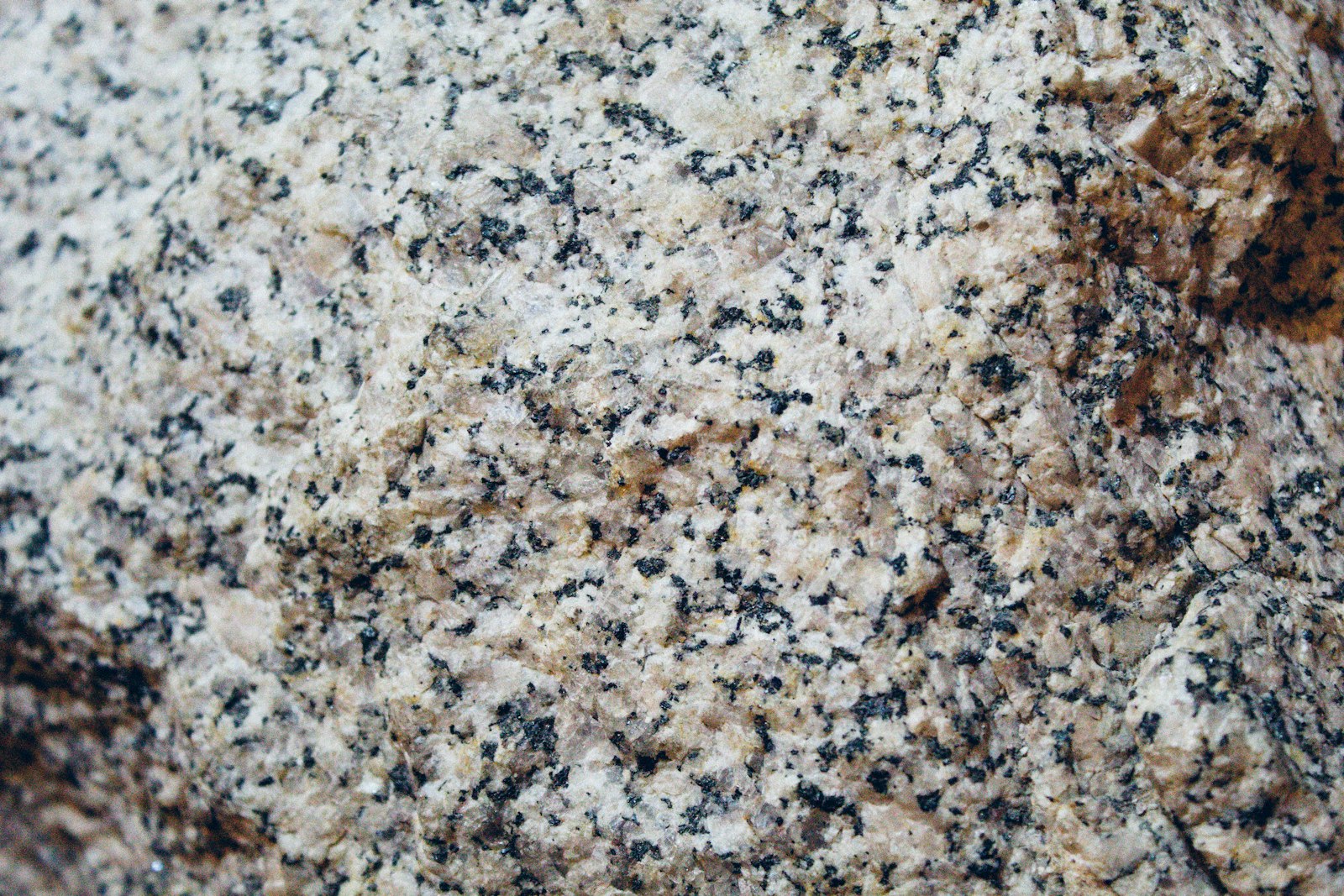
Granite is a natural igneous rock quarried from mountains around the world, and for two decades it was the undisputed king of kitchen countertops. While quartz has overtaken it in market share — the NKBA reports quartz now accounts for 43% of countertop installations versus granite's 28% — granite remains a strong, beautiful, and cost-effective choice with unique advantages.
The biggest advantage of granite is its heat resistance. As a natural stone formed under extreme geological heat and pressure, granite can withstand hot pans placed directly on its surface without damage — something that cannot be said about quartz. For serious cooks who want to set a hot pot down without reaching for a trivet, this is a meaningful benefit.
Each granite slab is unique, with natural variations in color, pattern, and mineral composition that create one-of-a-kind surfaces. This natural character is a selling point for homeowners who want their kitchen to have organic warmth rather than the more uniform appearance of engineered stone. Popular granite varieties like Absolute Black, Giallo Ornamental, and Santa Cecilia offer distinctive looks that range from dramatic to subtle.
The trade-off is maintenance. Granite is a porous natural stone that requires sealing upon installation and re-sealing every 12–18 months to prevent staining and bacterial absorption. The sealing process itself is simple — a 15-minute application of a penetrating sealer — but it is an ongoing commitment. Unsealed or poorly sealed granite can absorb oils, wine, and acidic liquids, leading to permanent stains that are difficult or impossible to remove.
At $40–$100 per square foot installed, granite offers a wide price range that accommodates most budgets. Entry-level granite at $40–$55 per square foot competes with mid-range quartz on price while offering the prestige of natural stone. Premium exotic granites can approach $100 per square foot but are generally not worth the premium from an ROI perspective unless the aesthetic is exactly what your design demands.
Deep Dive: Marble
Marble occupies a unique position in the countertop world: it is simultaneously the most beautiful and the most demanding material. Formed from limestone subjected to intense heat and pressure over millions of years, marble's iconic veining patterns — particularly the gray-on-white elegance of Calacatta and Carrara varieties — have made it the standard of luxury in kitchens, bathrooms, and architectural design for centuries.
The aesthetic appeal of marble is genuinely unmatched. No engineered material, however advanced, can perfectly replicate the depth, translucency, and natural variation of real marble. Calacatta marble, with its bold, dramatic veining on a bright white background, is the most sought-after variety and commands prices of $150–$200+ per square foot installed. Carrara marble, with more subtle gray veining, is more affordable at $75–$125 per square foot installed and remains the most popular marble choice for kitchens.
The reality check comes in the maintenance requirements. The Marble Institute of America classifies marble as a relatively soft stone (3–5 on the Mohs hardness scale, compared to granite's 6–7 and quartz's 7). This means marble scratches more easily, can etch from acidic substances like lemon juice and vinegar, and chips more readily at edges and corners. It is also highly porous, requiring sealing every 3–6 months for kitchen use and immediate cleanup of any acidic or oil-based spills.
Many marble owners embrace the patina that develops over time, viewing etching and wear as character rather than damage. This "living finish" philosophy works well for homeowners who appreciate a worn, European aesthetic, but it can be alarming for those expecting their countertops to look pristine indefinitely. If you are the type who would stress over every water ring and acid etch, marble will be a source of constant anxiety rather than pleasure.
“I always have an honest conversation with clients about marble. If they understand that it will develop a patina, that they will need to seal it regularly, and that it will never look like it did on day one — and they love it anyway — then marble is the right choice. For clients who want a low-maintenance surface that stays looking new, I steer them toward quartz without hesitation.”
— Lisa Chen, CKD (Certified Kitchen Designer), Chen Design Group, 15 years experience
See Countertop Options in Person
A local kitchen contractor can show you actual material samples, discuss pricing for your specific layout, and help you make the right choice. Get free quotes today.
Compare Quotes NowAlternative Materials Worth Considering
While quartz, granite, and marble dominate the market, several alternative materials deserve consideration depending on your budget, style, and priorities:
Butcher block ($40–$80 per sq ft installed). Solid wood countertops — typically maple, walnut, or white oak — offer unmatched warmth and character. They are excellent for prep areas and kitchen islands, and minor scratches can be sanded out. The downsides are susceptibility to water damage, the need for regular oiling, and the fact that they are not heat-proof. Many homeowners use butcher block strategically on an island while installing stone or quartz on perimeter counters.
Laminate ($10–$40 per sq ft installed). Modern laminate has come a long way from the cheap, obviously artificial surfaces of the past. High-pressure laminate (HPL) from brands like Wilsonart and Formica now offers convincing stone and wood looks at a fraction of the cost of natural materials. For budget-conscious remodels, laminate allows you to allocate funds elsewhere — like appliances or cabinets — where the ROI impact may be greater.
Concrete ($65–$135 per sq ft installed). Custom poured or precast concrete countertops offer an industrial, modern aesthetic that pairs well with contemporary and farmhouse designs. They are extremely durable and heat resistant but require sealing, can develop hairline cracks over time, and are among the heaviest countertop options, potentially requiring cabinet reinforcement.
Solid surface ($35–$75 per sq ft installed). Materials like Corian are made from acrylic polymers and natural minerals. They offer seamless installations with integrated sinks, easy repairability (scratches can be buffed out), and a wide color range. They lack the visual depth of natural stone or quartz but are practical, affordable, and forgiving.
How to Choose: The Decision Framework
With so many options, the right choice ultimately comes down to three factors:
Budget. If your total countertop budget is under $3,000 for a standard kitchen, laminate or entry-level granite will deliver the most value. At $3,000–$6,000, mid-range granite and quartz both become viable. Above $6,000, you have access to the full range of quartz options and mid-range marble. Calculate your total by measuring your linear footage of countertop and multiplying by the standard 25.5-inch depth to get your square footage.
Lifestyle. If you cook daily, have children, or simply do not want to think about maintenance, quartz is the clear winner. If you love to cook and frequently set hot items directly on the counter, granite's heat resistance gives it an edge. If your kitchen is primarily a design showpiece and you are committed to the maintenance regimen, marble rewards that commitment with beauty no other material can match.
Style. Consider the overall design direction of your kitchen. Quartz works in virtually any style, from farmhouse to ultra-modern. Granite leans traditional and transitional. Marble reads as classic luxury or high-end contemporary. Butcher block adds warmth to any setting. The countertop should complement your cabinets, backsplash, and flooring — not compete with them.
Find the Perfect Countertop for Your Kitchen
Licensed kitchen contractors can bring material samples to your home, measure your space, and provide detailed quotes. Get started with free, no-obligation estimates.
Get Your Free QuotesThe Bottom Line
For most homeowners, quartz is the best all-around countertop choice in 2026. It combines top-tier durability, zero maintenance, broad design versatility, and excellent resale value at a mid-range price point. Granite remains a strong alternative for homeowners who prioritize natural stone character and heat resistance and are willing to commit to annual sealing. Marble is a luxury choice best suited for those who appreciate its unique beauty and are prepared for the maintenance it demands.
Whichever material you choose, the quality of fabrication and installation matters enormously. Precise template cutting, polished edges, well-placed seams, and proper support all require a skilled fabricator. Always request to see a fabricator's recent work, ask about their seam-placement strategy, and confirm they carry insurance. A beautiful material poorly installed will look worse than a modest material done perfectly.
Sources
- Consumer Reports, "Countertop Buying Guide: Ratings and Reviews," updated January 2026.
- HomeAdvisor, "Countertop Installation Cost Guide," updated February 2026.
- Marble Institute of America (now Natural Stone Institute), "Residential Stone Countertop Care and Maintenance Guide."
- National Kitchen & Bath Association (NKBA), "2025 Design Trends Survey: Countertop Material Preferences."