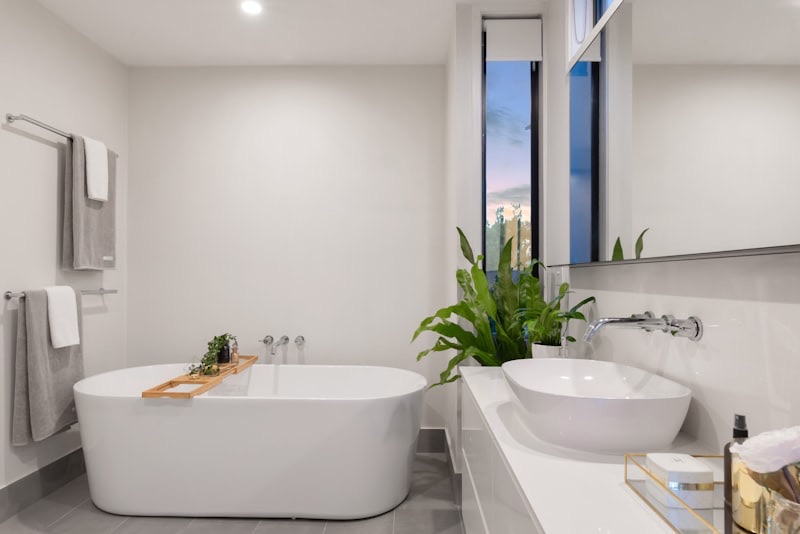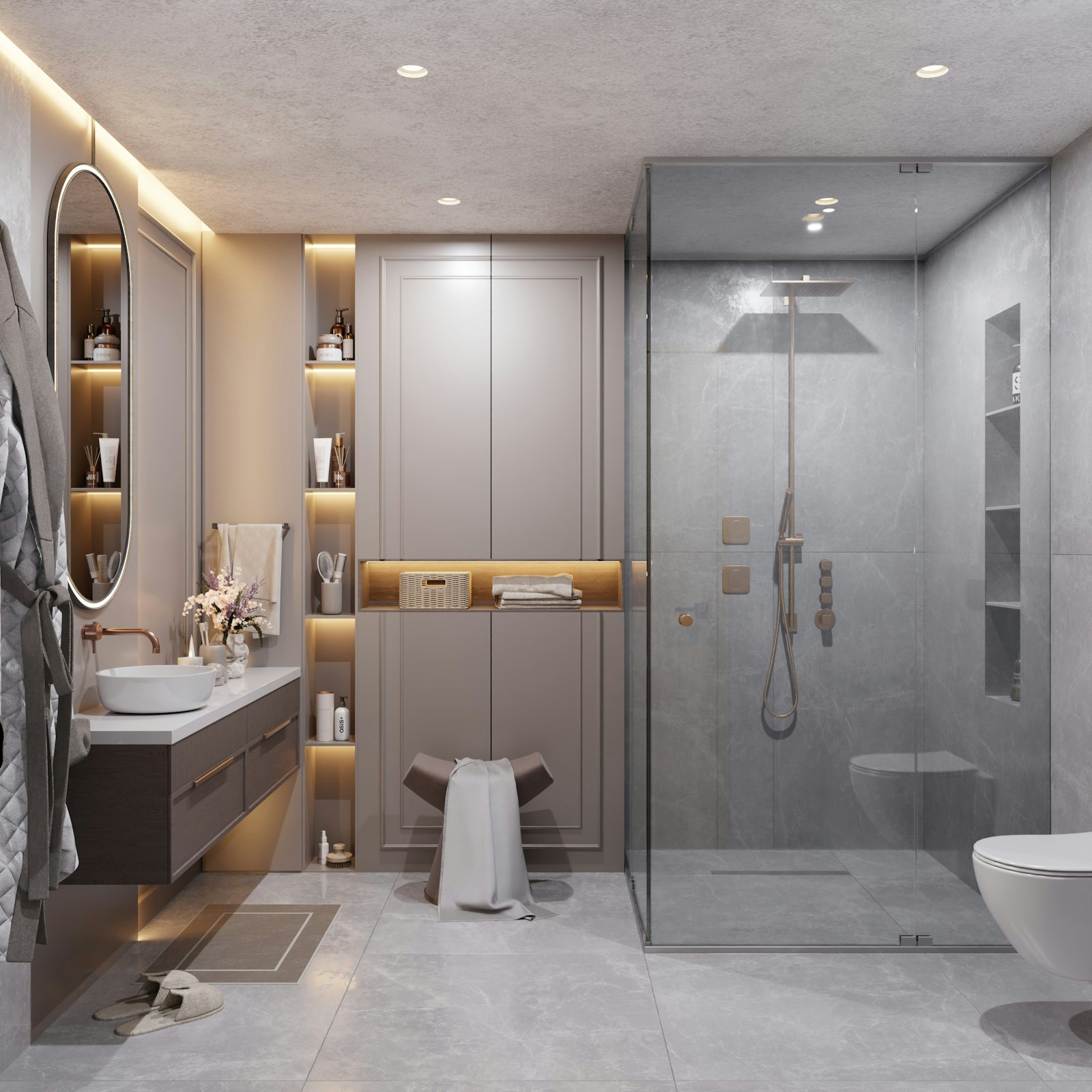
The average American bathroom is more than 20 years old, according to the National Association of Home Builders. If yours falls into that category, you are not alone — but you may be living with problems that go far beyond outdated aesthetics. From hidden mold behind tile to fixtures that waste gallons of water every day, an aging bathroom can quietly drain your wallet, compromise your health, and chip away at your home's resale value.
Key Takeaways
- Bathrooms older than 15–20 years often harbor hidden mold, outdated plumbing, and inefficient fixtures that cost homeowners hundreds per year in wasted water and energy.
- A mid-range bathroom remodel returns an average of 70% of its cost at resale, making it one of the strongest home improvement investments you can make.
- Persistent mold and mildew are not cosmetic problems — the EPA warns they can trigger respiratory issues, allergies, and asthma attacks.
- Getting multiple quotes from licensed contractors is the single best way to control costs and avoid surprises during a remodel.
Why Your Bathroom's Age Actually Matters
Your bathroom is one of the hardest-working rooms in your home. Between the constant exposure to moisture, daily wear from foot traffic, and the mechanical stress on plumbing fixtures, materials degrade faster here than in almost any other space. The National Association of Home Builders estimates that ceramic tile floors last about 75 years, but grout and caulk need replacing every 10–15 years. Faucets and showerheads typically last 15–20 years before developing leaks, mineral buildup, or internal corrosion.
Then there is the efficiency problem. Toilets manufactured before 1994 use 3.5 to 7 gallons per flush, compared to the 1.28 gallons required by today's WaterSense-certified models. If your bathroom still has original fixtures from the early 2000s or before, you could be wasting more than 13,000 gallons of water per year on flushing alone, according to the EPA.
Sign #1: Persistent Mold and Mildew
A little mildew on shower caulk is normal. What is not normal is mold that returns within days of cleaning, dark spots spreading across grout lines, or a musty smell that lingers no matter how well you ventilate. These are signs that moisture has infiltrated behind the tile or under the flooring — areas you cannot reach with a scrub brush.
The EPA's guide to indoor air quality identifies bathrooms as the number-one source of household mold growth, and warns that prolonged exposure to mold spores can trigger allergic reactions, asthma attacks, and other respiratory problems. The real danger is what you cannot see: mold colonies growing behind walls, under vanities, and inside shower pans where failing waterproof membranes have let moisture seep through.
“By the time you can see mold spreading across grout lines or smell that persistent musty odor, the problem has usually been developing behind the walls for months. A remodel gives us the chance to open things up, address the moisture source, and install modern waterproofing systems that prevent it from coming back.”
— David Kowalski, Licensed General Contractor, Kowalski Home Restoration
Professional mold remediation alone can cost between $1,100 and $3,400 depending on the scope, according to HomeAdvisor. If you are already facing remediation costs, a full remodel often makes more financial sense because it allows contractors to replace compromised materials while upgrading the entire space.
Sign #2: Cracked, Missing, or Loose Tiles
Cracked tiles are not just ugly — they are entry points for water. Every crack, every missing piece of grout, and every tile that shifts underfoot represents a breach in your bathroom's waterproof barrier. Once water gets behind tiles, it can damage the backer board, rot the subfloor, and create the exact conditions mold needs to thrive.
If you notice tiles that are hollow-sounding when tapped, grout that crumbles when you press on it, or gaps appearing along the edges where tile meets the tub or shower, the substrate beneath may already be compromised. At that point, re-grouting is a temporary fix. A proper repair means pulling the tile, evaluating the substrate, and installing new waterproofing — which is effectively a remodel of the affected area.
Worried About Hidden Water Damage?
A licensed contractor can assess the condition of your bathroom's waterproofing, subfloor, and plumbing — often for free during a remodel consultation.
Get Free EstimatesSign #3: Outdated Fixtures Wasting Water and Money
That dripping faucet you have been ignoring? A faucet leaking at one drip per second wastes more than 3,000 gallons of water per year, according to the U.S. Geological Survey. Now multiply that across a bathroom with aging supply lines, a running toilet, and a showerhead that predates low-flow regulations.
Modern fixtures are engineered for efficiency without sacrificing performance. WaterSense-labeled showerheads use no more than 2.0 gallons per minute (GPM) compared to the 2.5+ GPM of older models, saving the average family 2,700 gallons per year. Low-flow toilets save even more. Across fixtures, a bathroom upgrade can cut your water usage by 20–30%, which adds up to meaningful savings on your utility bills year after year.
Beyond water, outdated bathrooms often have poor lighting, insufficient electrical outlets, and ventilation fans that are either too loud to use or too weak to actually remove moisture. A remodel is the opportunity to bring all of these systems up to current code and comfort standards.
Sign #4: Poor Layout and Not Enough Storage
Builder-grade bathrooms from the 1980s, 1990s, and early 2000s were often designed to minimize cost, not maximize usability. That means awkward door swings that block the toilet, pedestal sinks with zero storage underneath, and shower stalls barely large enough to turn around in.
The National Kitchen & Bath Association (NKBA) publishes design guidelines that address clearance, accessibility, and storage minimums. Many older bathrooms fail to meet even the basic recommendations. A well-planned remodel can reconfigure the layout to improve traffic flow, add recessed storage niches, install a proper vanity with drawers, and even incorporate aging-in-place features like grab bars and curbless showers — additions that the NAHB reports are increasingly requested by homeowners of all ages.
See What Your Remodel Could Cost
Get personalized estimates from up to three licensed bathroom contractors in your area. It takes less than two minutes and costs nothing.
Compare Quotes NowSign #5: You Genuinely Hate Being in There
This one is subjective, but it matters. If you avoid your own bathroom, rush through your morning routine, or feel embarrassed when guests use it, that daily dissatisfaction has a real cost. Your bathroom should be a space that feels clean, functional, and at least somewhat pleasant. When it is not, the psychological toll compounds over years.
Remodeling Magazine's annual Cost vs. Value Report consistently ranks mid-range bathroom remodels among the top home improvement projects for return on investment. In 2025, a mid-range bathroom remodel costing approximately $25,000 recouped about 70% of its cost at resale. But the return you get in daily comfort and reduced stress is harder to quantify — and for many homeowners, that is the real reason they finally pull the trigger.
What a Typical Remodel Involves
Understanding the scope helps set realistic expectations. A standard mid-range bathroom remodel typically includes demolition of existing tile, fixtures, and vanity; inspection and repair of the subfloor and plumbing; new waterproof membrane installation; updated plumbing and electrical work; new tile, flooring, vanity, toilet, and fixtures; fresh paint; and new lighting and ventilation.
The timeline for a full bathroom remodel averages 3 to 5 weeks for a mid-range project, though this can vary significantly depending on the scope of structural work needed. The most common delays come from permit processing, back-ordered materials, and unexpected issues discovered during demolition — particularly mold or water damage behind walls.
Labor typically accounts for 40–65% of total project cost, making contractor selection the single biggest decision you will make. Always get at least three written quotes, verify licensing and insurance, and check references before signing any contract.
Ready to Transform Your Bathroom?
Connect with licensed, insured bathroom remodeling contractors in your area. Free quotes, no obligation, and no pressure.
Get Your Free QuotesThe Bottom Line
If your bathroom is showing any of these five signs — persistent mold, deteriorating tile, wasteful fixtures, a dysfunctional layout, or a space you simply dread using — a remodel is not just a cosmetic upgrade. It is an investment in your home's health, efficiency, and value. With a 70% average return at resale and meaningful daily quality-of-life improvements, a well-planned bathroom remodel is one of the smartest home improvement decisions you can make in 2026.
The key is working with qualified professionals who can assess the full scope of what needs to be done, provide transparent pricing, and execute the project to modern building standards. Start by getting multiple quotes, and do not let a contractor skip the step of inspecting behind walls during demolition — that is where the most important problems are hiding.
Sources
- National Association of Home Builders (NAHB), "Life Expectancy of Housing Components," 2023 Study of Life Expectancy of Home Components.
- Remodeling Magazine, "2025 Cost vs. Value Report," Zonda Media.
- U.S. Environmental Protection Agency (EPA), "A Brief Guide to Mold, Moisture, and Your Home," EPA Indoor Air Quality Publications.
- U.S. Geological Survey, "Water Science School: Drip Calculator," USGS Water Resources.