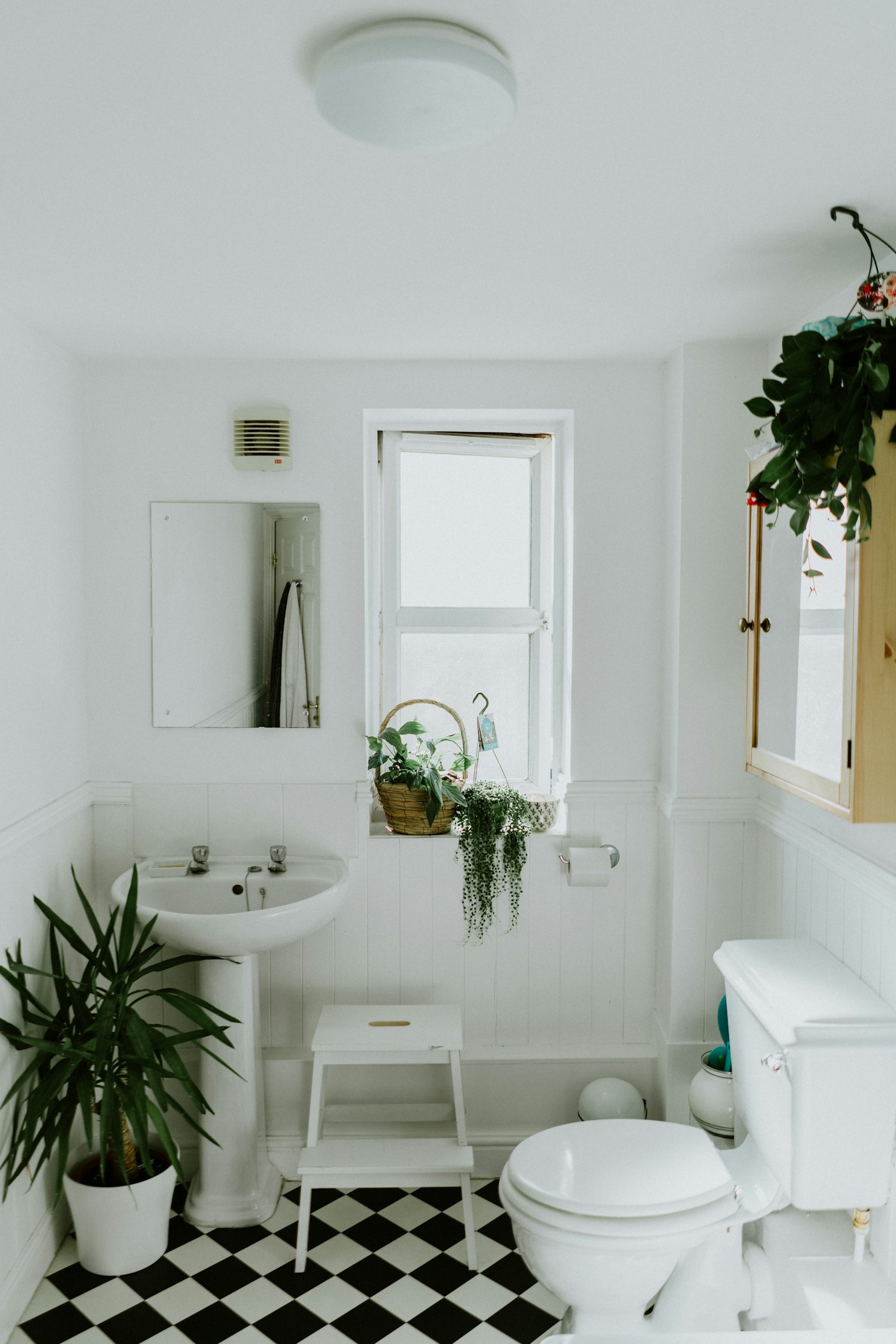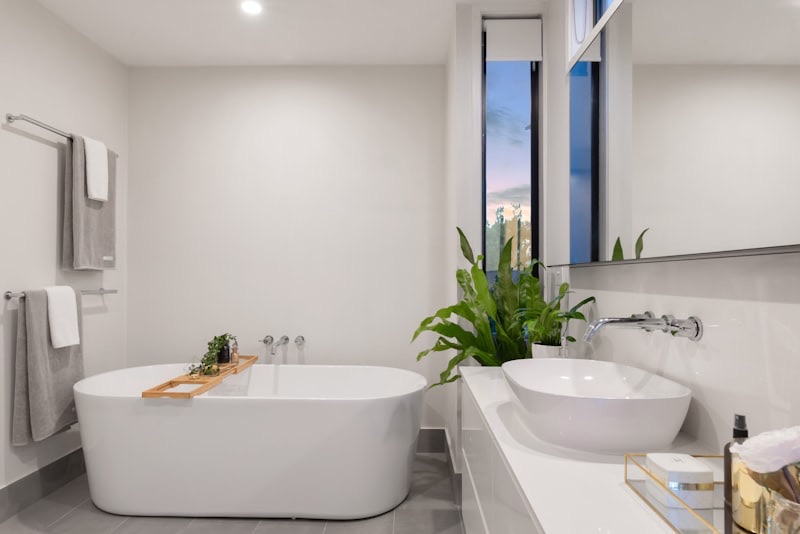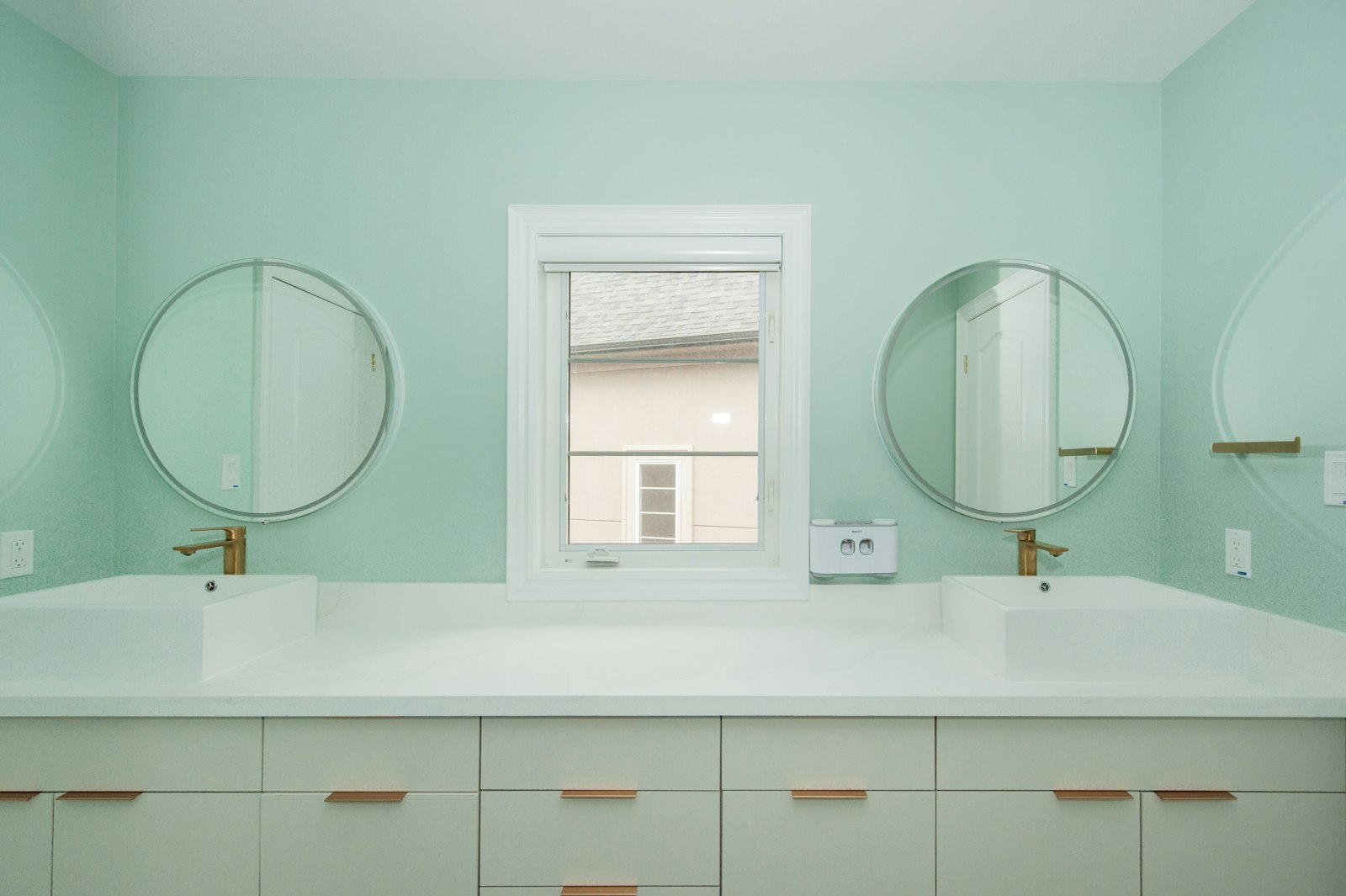
Ask five contractors what a bathroom remodel costs, and you will get five wildly different answers. That is because "bathroom remodel" can mean anything from swapping out a vanity and re-grouting tile to a full gut renovation with custom cabinetry, heated floors, and a walk-in shower with body jets. In 2026, the national average falls between $15,000 and $35,000 for a mid-range project, according to HomeAdvisor — but your actual cost will depend on your scope, your market, and the surprises lurking behind your walls.
Key Takeaways
- A basic cosmetic bathroom refresh costs $3,500–$7,000, while a full mid-range remodel averages $15,000–$35,000 and high-end projects can exceed $75,000.
- Labor accounts for 40–65% of total project cost, making contractor selection the single most impactful decision on your budget.
- Hidden costs — including permits, mold remediation, and structural repairs — add an average of 10–20% to initial estimates.
- Getting at least three detailed written quotes from licensed contractors is the best way to avoid overpaying and ensure a quality outcome.
Bathroom Remodel Cost Ranges at a Glance
The single biggest factor in what your bathroom remodel will cost is scope. A cosmetic refresh that keeps the existing layout and plumbing in place is a completely different project from a gut renovation that moves walls or relocates fixtures. Here is how the numbers break down across the three most common project levels, based on data from HomeAdvisor and the National Kitchen & Bath Association (NKBA).
| Scope | Cost Range | Typical Duration | Best For |
|---|---|---|---|
| Basic Refresh | $3,500–$7,000 | 1–2 weeks | Cosmetic updates: new vanity, faucet, mirror, paint, re-caulk |
| Mid-Range Remodel | $15,000–$35,000 | 3–5 weeks | Full fixture replacement, new tile, updated plumbing & electrical |
| High-End Renovation | $40,000–$75,000+ | 6–10 weeks | Layout changes, custom cabinetry, premium materials, smart features |
These ranges represent national averages. Your actual cost will vary based on your geographic market, the size of your bathroom, and the specific materials and features you choose. A 40-square-foot guest bathroom in a mid-market city will cost significantly less than a 100-square-foot primary suite in San Francisco or New York.
Where the Money Actually Goes
Understanding the cost breakdown helps you make smarter tradeoffs. According to the NKBA's annual design trends survey, here is how a typical mid-range bathroom remodel budget is allocated:
Labor: 40–65% of total cost. This is consistently the largest expense, encompassing demolition, plumbing, electrical, tile installation, carpentry, and painting. Skilled labor costs have risen approximately 4–6% annually over the past three years, driven by high demand and a shortage of licensed tradespeople. In major metro areas, labor costs can account for up to 65% of the project.
Fixtures and fittings: 15–25%. This includes your toilet, vanity, faucets, showerhead, bathtub or shower enclosure, mirrors, and hardware. There is enormous price variation within this category. A basic single-vanity setup might cost $400–$800, while a custom double vanity with quartz countertop can run $2,500–$6,000. The toilet alone can range from $150 for a standard model to $1,500+ for a smart toilet with bidet functions and heated seating.
Tile and flooring: 10–20%. Ceramic tile typically costs $2–$7 per square foot for materials, while porcelain runs $3–$10 and natural stone can reach $15–$50 per square foot. Installation adds $5–$15 per square foot depending on pattern complexity. Large-format tiles require less grout maintenance but demand a flatter substrate, which may increase prep costs.
Plumbing and electrical: 10–15%. If you are keeping fixtures in their current locations, this is primarily disconnection, reconnection, and any code-required upgrades. Moving a toilet, shower, or vanity to a new location can add $1,000–$5,000 per fixture in additional plumbing work, making layout changes one of the fastest ways to escalate a budget.
Get a Clearer Picture of Your Costs
Request free, itemized quotes from licensed bathroom remodelers in your area. Compare costs side-by-side with no obligation.
Get Free EstimatesRegional Cost Differences
Where you live has a dramatic impact on remodel costs. According to HomeAdvisor's regional data, bathroom remodel costs in the top 10 most expensive metro areas run 25–45% above the national average, while costs in smaller Southern and Midwestern markets can be 15–30% below average.
The primary driver of regional variation is labor cost. A licensed plumber in New York City charges $95–$175 per hour, compared to $55–$95 in Nashville or Charlotte. Permit costs also vary wildly: some jurisdictions charge flat fees of $50–$200, while others assess fees based on project value that can reach $500–$1,500 for a major remodel.
Material costs are more uniform nationally, but delivery charges and local availability can create pockets of higher pricing, especially for specialty items like natural stone or imported tile. Homeowners in rural areas may also pay premium rates for skilled labor due to limited contractor availability and higher travel costs.
Hidden Costs Most Homeowners Miss
The estimate you get during a consultation rarely tells the full story. Industry data suggests that 10–20% of total project costs come from items not included in the original quote. Here are the most common surprises:
Permits and inspections ($200–$1,500). Any project that involves plumbing, electrical, or structural changes will typically require a building permit. Some homeowners try to skip this step to save money, but unpermitted work can create serious problems at resale, including failed home inspections and reduced property value.
Mold remediation ($1,100–$3,400). Mold behind walls is one of the most common discoveries during demolition, especially in bathrooms older than 15 years. Professional remediation is not optional — the EPA recommends against covering over mold growth, as it will continue spreading and can compromise indoor air quality.
Structural repairs ($500–$5,000+). Water damage from failing shower pans, leaking supply lines, or inadequate ventilation can rot subfloors, joists, and wall framing. If your contractor discovers soft spots or structural compromise during demolition, the scope and cost of the project will expand accordingly.
Temporary accommodations. If you are remodeling your only full bathroom, you may need to factor in the cost and inconvenience of using a gym, relative's home, or even a short-term rental during the 3–5 weeks your bathroom is out of commission.
“I always tell my clients to budget an additional 15–20% beyond the quoted price as a contingency. Not because we pad our estimates, but because we cannot see what is behind the walls until demolition day. In bathrooms older than 20 years, I find water damage or plumbing issues that need addressing in roughly six out of ten projects.”
— Michael Torres, Owner, Torres Remodeling & Design, 25 years experience
How Much Will Your Remodel Cost?
Stop guessing. Get up to three detailed quotes from vetted, licensed bathroom remodelers in your area — completely free.
Compare Quotes NowHow to Vet Contractors and Control Costs
Your contractor is the single most important variable in both the quality and cost of your remodel. Here is a practical checklist for evaluating candidates:
Verify licensing and insurance. Every state has a contractor licensing board with an online lookup tool. Confirm that the contractor holds an active license in the appropriate trade and carries both general liability insurance (at least $1 million) and workers' compensation coverage. Hiring an unlicensed contractor may save money upfront but exposes you to liability for injuries, property damage, and code violations.
Get at least three written quotes. Each quote should be itemized, breaking out labor, materials, fixtures, and any allowances separately. Lump-sum bids make it impossible to compare contractors on an apples-to-apples basis and can hide markups on materials.
Check references and recent work. Ask for contact information from at least three recent clients with projects similar to yours. Visit a completed project in person if possible. Look at the quality of tile work, grout lines, caulking, and trim details — these finishing touches reveal the difference between a skilled craftsman and a sloppy crew.
Clarify the payment schedule. A reasonable payment structure is 10–15% deposit at signing, progress payments tied to completion milestones, and a final payment of 10–15% held until you have signed off on a final walkthrough. Be wary of contractors requesting 50% or more upfront — this is a common red flag in contractor fraud cases.
Get the scope in writing. Your contract should detail the exact scope of work, materials specifications, timeline, payment schedule, change order process, and warranty terms. Verbal agreements are essentially worthless if a dispute arises. The better the contract, the fewer surprises you will face during the project.
Ways to Save Without Sacrificing Quality
If your budget is tight, there are smart ways to reduce costs without compromising the integrity of the finished product:
Keep the existing layout. Moving a toilet, shower, or vanity to a different location is the single most expensive change you can make. If you can live with the current layout, you will save thousands in plumbing and potentially structural work.
Choose mid-grade materials strategically. The price difference between builder-grade and mid-grade fixtures is modest, but the quality jump is significant. The gap between mid-grade and premium is much larger in price and often marginal in quality. Porcelain tile that looks like natural stone, for example, costs a fraction of actual marble and requires far less maintenance.
Handle demolition yourself. Some contractors will reduce their quote if you handle the demo work, since it is labor-intensive but does not require specialized skills. Just be careful around plumbing and electrical, and always confirm with your contractor before swinging a hammer.
Time your project strategically. Contractors are typically busiest from late spring through early fall. Scheduling your project for late fall, winter, or early spring may yield better pricing and faster start dates, as contractors compete for work during their slower season.
Start Getting Real Numbers Today
The fastest way to understand what your specific bathroom remodel will cost is to get quotes from contractors who know your market. It is free, fast, and comes with zero obligation.
Get Your Free QuotesThe Bottom Line
A bathroom remodel in 2026 costs anywhere from $3,500 for a basic cosmetic refresh to $75,000 or more for a high-end full renovation. The mid-range sweet spot of $15,000–$35,000 delivers the best balance of impact and return on investment, with Remodeling Magazine reporting an average 70% ROI at resale for projects in this range.
The most important thing you can do to control costs is to define your scope clearly before you start collecting quotes, budget a 15–20% contingency for hidden issues, and invest the time to find a licensed, insured contractor with a strong track record. The quotes are free, the information is invaluable, and the peace of mind that comes from knowing your real numbers is the first step toward a bathroom you will actually enjoy using every day.
Sources
- HomeAdvisor, "How Much Does a Bathroom Remodel Cost?" Cost Guide, updated January 2026.
- Remodeling Magazine, "2025 Cost vs. Value Report," Zonda Media.
- National Kitchen & Bath Association (NKBA), "2025 Design Trends Report" and "NKBA Planning Guidelines."